The Current State of the Indian Rupee
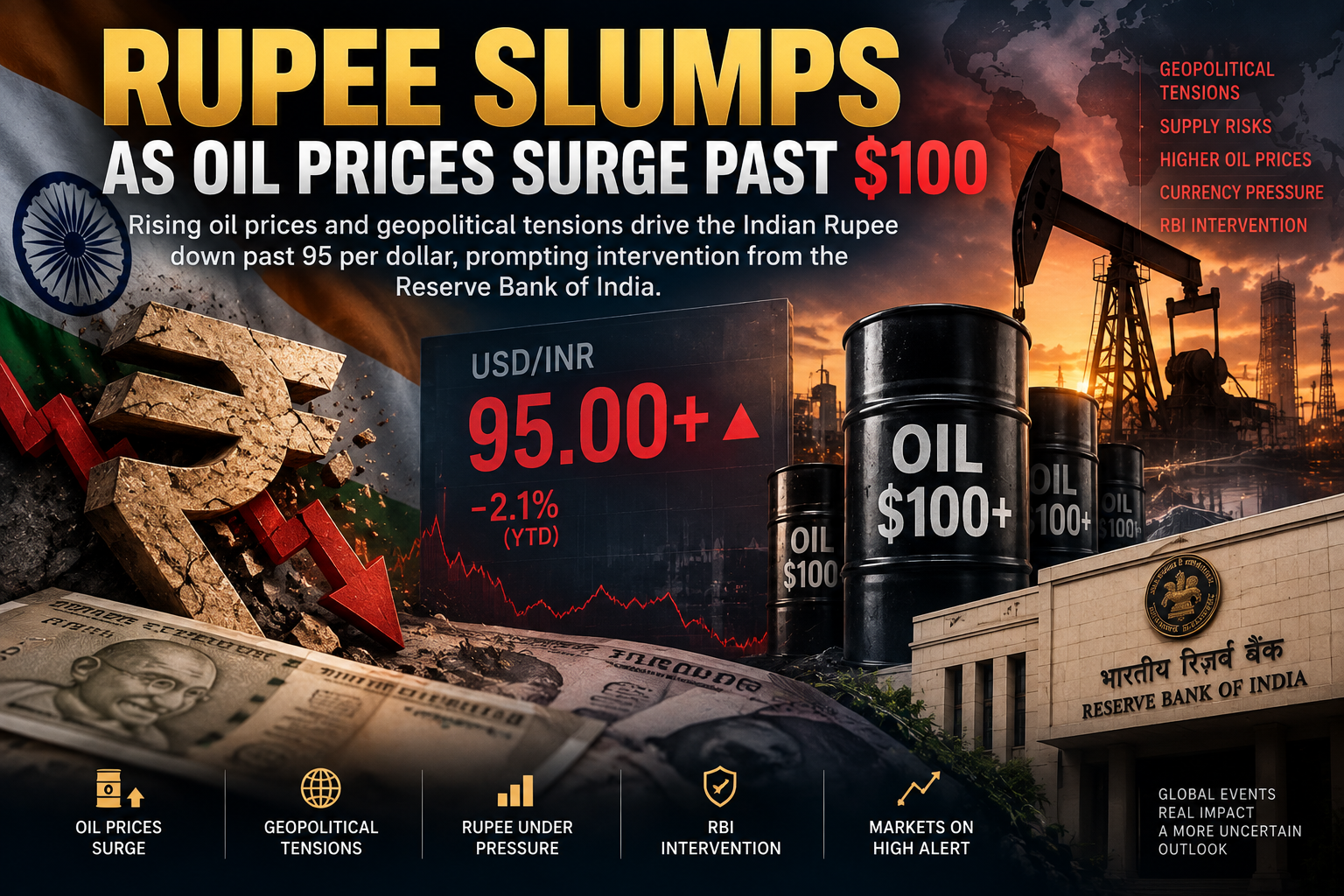
The Indian Rupee has recently experienced significant depreciation, falling past the critical threshold of 95 per dollar. This slump is largely attributed to soaring oil prices, which have now surpassed the $100 mark, coupled with escalating conflicts in the Middle East. Such a decline in the currency can have far-reaching implications for India's economy, especially in terms of inflation and trade balances.
The Impact of Rising Oil Prices
India is one of the largest importers of crude oil in the world, and as global oil prices rise, the cost of imports increases. When the price of oil goes up, it strains the Indian economy by affecting inflation rates and trade balances. Higher oil prices generally lead to increased transportation and production costs, which can trickle down to consumers through higher prices for goods and services.
Inflation Concerns
The depreciation of the Rupee is likely to exacerbate inflationary pressures across the country. As the cost of imports rises, it puts additional strain on already stretched household budgets. This could lead to consumers tightening their spending, which in turn may slow down economic growth.
Trade Balances at Risk
The trade balance is another critical area that could be negatively impacted by the falling Rupee. A weaker currency means that while imports become more expensive, exports may become cheaper for foreign buyers. However, given India's heavy reliance on oil imports, the negative impact of higher oil prices could outweigh any potential benefits from a weaker Rupee.
Reserve Bank of India's Intervention
In response to the alarming trends in the currency market, the Reserve Bank of India (RBI) has stepped in to intervene. The RBI's actions are likely aimed at stabilizing the Rupee and mitigating the negative effects on the economy. Such interventions may include measures like selling foreign reserves or adjusting interest rates to strengthen the currency.
Geopolitical Factors at Play
The rise in oil prices is not solely a market phenomenon; it is also closely linked to geopolitical tensions in the Middle East. Ongoing conflicts can lead to supply disruptions, further driving up oil prices. Investors are often wary of such uncertainties, leading to heightened volatility in both the oil markets and currency exchange rates.
Laurie’s Perspective on Oil Markets
As the situation unfolds, there is a lot of interest in the oil markets at the moment. From my perspective, the volatility presents an interesting dynamic for investors. Are you short or long? The implications of rising oil prices on the Rupee and broader Indian economy are significant, and strategies will need to be carefully considered.
Conclusion: Navigating Economic Uncertainty
The depreciation of the Indian Rupee amidst rising oil prices and geopolitical tensions is a complex issue that warrants close attention. The Reserve Bank of India's interventions will be crucial in determining how effectively the Indian economy can weather this storm. The days ahead will be pivotal in shaping the trajectory of the Rupee and the broader economic landscape.
In summary, the interplay between oil prices, currency valuation, and geopolitical factors will be critical for policymakers and investors alike. Keeping a close eye on these developments will be essential for anyone engaged in the markets.
Laurie's View
Lots of interest in the Oil Markets at the moment, are you short or long?
**Disclaimer:** This content is provided for educational and general informational purposes only and does not constitute personalised financial, investment, legal or tax advice. Views expressed may constitute general commentary or opinion. Digital assets and financial markets involve risk. Readers should conduct their own research and consider obtaining independent professional advice before making financial decisions.